熄火降落
主旋翼旋轉慣性來達成熄火降落 熄火降落,又稱之為自旋降落,這一項科目被列為直昇機的標準演技的最後一項,其運作原理就是將飛行中直昇機的引擎關閉,使其失去動力,利用主旋翼的自旋慣性與螺距的變化,來達成熄火降落的目的。
然而除了正式的表演科目之外,還有一個令你非得要學習熄火降落的理由,也就是引擎熄火。當引擎熄火時先不要慌,謹記熄火降落的要點並確實執行,通常能夠化解空中熄火所造成的危機!
而提到這一點不得不注意單向軸承的使用壽命及保養,單向軸承是利用滾針在套環裡移動產生作用,所以這移動的空間是不是能夠順暢的運作就要看平常的保養了,通常來說直昇機飛行完畢後記得一定要清理乾淨,正常飛行情況下,單項軸承每隔約1個月最好拆下檢查看看,將舊的潤滑油用去漬油洗淨,再重新填上含有矽成份的潤滑油(SILICON GREASE),以確保單向軸承時時保持順暢
熄火降落設定
由於開始執行熄火降落時,直昇機本體已經失去了引擎動力,主旋翼僅僅靠著迴轉慣性來旋轉,但慣性終究會消失,所以必須要調整螺距的角度,藉由機體下降的重量來迫使主旋翼加速旋轉。
這樣的作法可比喻為風車效應,想必小時候玩過風車都知道,無風狀態下時,拿著風車快速跑步,讓氣流快速的往風車移動,如此一來便可使風車旋轉。熄火降落則充分利用這一項特點,使主旋翼轉速在無動力狀態下加快。
油門熄火
一般6動作以上的電腦遙控器都會具備熄火降落(HOLD)的獨立功能,所以要先將其開啟,之後要設定執行熄火降落功能時,油門的開度要多少?一般正式比賽,油門必須完全熄火(0%),而通常練習時都會將引擎設定在怠速的狀態(10~18%),而且要確定離合器在這個階段能夠確定的分開,讓引擎空轉。
早期練習方式
是比較不正確的做法,就是將油門的怠速提高在約25%左右,理論上是為了要讓引擎保有一定轉速,當熄火降落失效時,還可以切回一般飛行模式重新起飛,如此一來引擎瞬間的反扭力便可以減少,直昇機不會瞬間自轉造成緊張。(但切記start engine前不用打 throttle hold)
這樣的調整方式並非不可,只是引擎怠速極高的狀態下,離合器勢必也會作用,當離合器隨著引擎轉動時,相對的也會帶動大齒盤,這樣會產生互相影響,雖然主旋翼的轉速加快之後,轉速會比引擎來得高,理論上不會受到引擎低轉速的牽絆,但是原本大齒盤應該靜止,單純只有內部的單向軸承運作,現在大齒盤也跟著轉動,單向軸承內部的排針則處於分分合合的狀態,間接影響到了主旋翼增加轉速的順暢性。
螺距調整
負螺距的使用是一門學問,這關係到風速問題,通常遇到沒有風的天氣,直昇機下降速度很慢,所以必須增加負螺距的角度,讓直昇機能夠以正常的速度下降。所以在負螺距的地方我們預留較多的角度,大約設定在-6度即可應付大部分的環境。 直昇機在下降當中所增加的轉速,為的就是在機體離地面約10公尺高時使用的,這10公尺的高度也就是整個熄火降落的關鍵所在,在10公尺的高度裡,要將螺距的角度改為正螺距,利用主旋翼慣性旋轉的力道來產生支撐直昇機的浮力,在離第5~10公尺這一段要先減緩下降速度(約+3度),最後的~0公尺則要利用剩下的慣性旋轉來完成降落的動作(+6~+10)。而為了擔心降落途中有外來的因素或操控的不當而影響熄火降落,螺距的設定上也是同樣的將範圍放寬以應對突發狀況,大約設定在+12~13度即可。 練習的方式 熄火降落有所謂的降落航道,我們在這裡可以分為<手感練習>與<航道練習>兩種,因為正式的熄火降落只有一次的機會,如果失敗,那鐵定只有摔機收場,所以確實的練習能讓你無論在比賽科目或引擎熄火時,都能保住直昇機的小命。 全世界的熄火降落科目都是要逆風執行,因為要配合直昇機的風標效應,若順風執行,極有可能在降落之前機體會因為風標效應的關係而自動轉向,造成操控者的緊張,一般初學者使用的30級機種,執行熄火降落時尾舵是毫無效用的,如果你的直昇機有裝備熄火降落組的話,則可以利用方向舵做修正,讓熄火降落的位置跟角度達到最佳
狀態。
手感練習
這一項練習的主要目的是要讓操控者熟悉引擎在失去動力的時候,主旋翼的變化與慣性旋轉的利用。
先將直昇機停懸在約1.5公尺高,機頭朝向逆風的狀態,接著切下熄火降落開關
(HOLD),讓引擎進入怠速,這時候主旋翼因為失去動力而轉速下降,機體也自然緩緩往下掉,這時候便將油門撥桿往上推,使螺距變大,機體下降的速度會減緩許多,直到失去動力後便降落在地面上。
練習的重點是要去感覺僅靠著主旋翼慣性所產生的浮力,一遍一遍的練習這樣的手感,最佳的狀態下是油門撥桿僅在3/4處機體即可降落,而且不會產生彈跳(重降落)即算合格。
若是習慣將油門推到底才剛剛好降落的話,在實際飛行時如果遇到風大但是最終螺距不足時,那就慘啦!技巧好的人螺距約在+8度即可順利降落,但最起碼要在+10度時就要降落才真正算是標準,剩下多出來的螺距是為了緊急狀況補足螺距用的。
航道練習
正式科目的熄火降落是必須距離地面20公尺以上,從遠方的航道開始執行熄火降落,直昇機繞過180度的航道後降落在指定降落區。這樣的指定科目需要經過相當長時間的練習才能夠得心應手。
在此之前,先練習下降的航道,一開始不需要像180度熄火降落這樣的繞180度,先練習從右手邊直接降落開始。想像降落點算起45度角往上算起就算是練習用的航道,將直昇機飛到右上方,這時候不需要切熄火降落(HOLD),先用一般模式(NORM)練習航道即可。
首先用一般模式練習,將直昇機飛到右上方距離自己約50公尺,5層樓的高度,油門降到1/3,機體會緩緩下降,以45度角下降,直昇機快要接觸地面時補一點油門,讓直昇機能夠順著航道降落下來,降落的點便是自己的正前方。
下降的航道要不斷地練習,讓每一次的航道都能保持一定的位置,不斷的練習,熟悉了飛行航道與下降速度,接著就可以練習比賽科目中的180度熄火降落了。
當你在高空飛行時發生引擎熄火,這時候千萬別緊張,冷靜地切下熄火降落開關,依照平時練習的手感操作這無動力的直昇機,幾乎都能化險為夷呢!
COPY FROM http://sylphide.myweb.hinet.net/lession_auto.htm

2008年7月24日 星期四
Flying Lessons – Pirouetting Flips
Simon Lockington
Perhaps the most famous and sought after 3D maneuver is the pirouetting flip. It’s a spectacular maneuver when done well and probably one that you might really strive to achieve if 3D is your thing. For some, the pirouetting flip is the ‘holy grail’ of 3D maneuvers and that once you can achieve it, vast riches, glory and supermodels will befall them. Well there won’t be vast riches (infact there’s a very real possibility you’ll be financially worse off!), the glory will only be in your head, and the women will still be as disinterested in helicopters as they were when you were just hovering.
Some people even change modes from Mode One to Mode Two thinking this will help them achieve the nirvana that is the pirouetting flip. This madness will do you no good and I just about guarantee you’ll be worse off than if you had just put that effort in to learning this maneuver on your ‘native’ mode. There are MANY mode one guys who can piroflip VERY well indeed.
A lot of people get confused between a pirouetting flip and a Chaos/Kaos. They’re not the same thing. While they may look similar, there’s subtle differences that distinguish the two maneuvers.
WHEN IS A PIROUETTING FLIP CHAOTIC?
I was once told by Curtis Youngblood who I believe was the inventor of the Kaos maneuver that the difference between a pirouetting flip and the Kaos was that with a Kaos, the axis of the flip changes throughout the maneuver. With a correct pirouetting flip, it doesn’t.
The axis of a pirouetting flip is the same as the axis of a normal elevator (forward or back) flip, it’s just that the helicopter is pirouetting.
With a Kaos however, the axis changes throughout the maneuver and in effect, you get a very compact, pirouetting globe.
For most of us however, the result we get when trying a pirouetting flip, is a mixture between a pirouetting flip and a Kaos.
Don’t think that you can go out to the field and in one weekend pull off perfect pirouetting flips. This can be a long term learning lesson this one. Hell I’ve had some of the top dogs of our hobby tell me it took them upwards of a year before they could do the maneuver correctly, so take your time, do what I tell you, work smart and it’ll come.
If you take the smart route and break a complex maneuver down into simple components, then you will succeed in this maneuver.
As with all maneuvers, before you attempt this one, you should have the prerequisites down.
PREREQUISTIES
Before attempting this maneuver on the whole, you should be fully competent in the following ‘sub-maneuvers’. These are:
Copy from : http://www.littlerotors.com/
兩圈自旋翻個人感覺
因小弟是用 Mode 1 要解決 Mode 1 兩圈自旋的難題
Perhaps the most famous and sought after 3D maneuver is the pirouetting flip. It’s a spectacular maneuver when done well and probably one that you might really strive to achieve if 3D is your thing. For some, the pirouetting flip is the ‘holy grail’ of 3D maneuvers and that once you can achieve it, vast riches, glory and supermodels will befall them. Well there won’t be vast riches (infact there’s a very real possibility you’ll be financially worse off!), the glory will only be in your head, and the women will still be as disinterested in helicopters as they were when you were just hovering.
Some people even change modes from Mode One to Mode Two thinking this will help them achieve the nirvana that is the pirouetting flip. This madness will do you no good and I just about guarantee you’ll be worse off than if you had just put that effort in to learning this maneuver on your ‘native’ mode. There are MANY mode one guys who can piroflip VERY well indeed.
A lot of people get confused between a pirouetting flip and a Chaos/Kaos. They’re not the same thing. While they may look similar, there’s subtle differences that distinguish the two maneuvers.
WHEN IS A PIROUETTING FLIP CHAOTIC?
I was once told by Curtis Youngblood who I believe was the inventor of the Kaos maneuver that the difference between a pirouetting flip and the Kaos was that with a Kaos, the axis of the flip changes throughout the maneuver. With a correct pirouetting flip, it doesn’t.
The axis of a pirouetting flip is the same as the axis of a normal elevator (forward or back) flip, it’s just that the helicopter is pirouetting.
With a Kaos however, the axis changes throughout the maneuver and in effect, you get a very compact, pirouetting globe.
For most of us however, the result we get when trying a pirouetting flip, is a mixture between a pirouetting flip and a Kaos.
Don’t think that you can go out to the field and in one weekend pull off perfect pirouetting flips. This can be a long term learning lesson this one. Hell I’ve had some of the top dogs of our hobby tell me it took them upwards of a year before they could do the maneuver correctly, so take your time, do what I tell you, work smart and it’ll come.
If you take the smart route and break a complex maneuver down into simple components, then you will succeed in this maneuver.
As with all maneuvers, before you attempt this one, you should have the prerequisites down.
PREREQUISTIES
Before attempting this maneuver on the whole, you should be fully competent in the following ‘sub-maneuvers’. These are:
- Stationary upright pirouettes. You should be competent in controlling the helicopter whilst doing continuous upright pirouettes on the spot, right in front of you.
- Moving upright pirouettes. You should be competent in moving the helicopter around whilst continuously pirouetting. For example, a pirouetting figure 8.
- Stationary inverted pirouettes. You should be competent in controlling the helicopter whilst doing continuous inverted pirouettes on the spot, right in front of you.
- Moving inverted pirouettes. You should be competent in moving the helicopter around whilst continuously pirouetting inverted. For example, a pirouetting inverted figure 8.
- Stationary elevator flips. You should be able to do continuous elevator flips on the spot without the helicopter moving laterally or changing altitude. You should also be able to do this without the engine bogging.
- Stationary aileron flips. You should be able to do continuous aileron flips on the spot with the helicopter moving laterally or changing altitude. You should be able to do this without the engine bogging.
Once you have mastered all of the above components, THEN you can move on, otherwise don’t bother, you’re only kidding yourself!
PUTTING IT ALL TOGETHER
So now that you’ve mastered all of the above components, we can now concentrate on attempting the maneuver itself.
As always, you want to give yourself a bit of height for your first attempts at this. However, don’t make the mistake of going too high! Some people think they’re doing themselves a favour by flying really high. They’re not. Instead, they’re only making it harder for themselves because they just can’t see what’s going on.
You should be no higher than three mistakes high. If you need more than three mistakes of room to fix any problem, then you’re not ready for this maneuver. Go back and learn the basics.
1. FLIP WITH PIRO PAUSE
- Begin by pirouetting and watching the helicopter. You need to pick a point to ‘key’ off, this will be the point you watch to control the maneuver. Normally this is the nose, or the tail. For the purposes of this exercise, we’ll use the nose of the helicopter and we’ll pirouette to the left.
- As the helicopter is pirouetting, watch the nose, as it comes round to face you, stop the pirouette and execute a half back flip to inverted tail in. If the helicopter has started drifting off, correct it before resuming pirouetting again.
- Complete two pirouettes before stopping the nose again when it is pointing at you and then execute a half forward flip. Correct any drift before resuming pirouetting again.
Now you’ve completed a full flip. Do another one!
The purpose of this exercise was to get you to get used to the idea of keying off a reference point of the helicopter (ie the nose) and acting upon it when the reference point reached a given area (ie pointing straight at you).
Once you feel happy about step 1, complete it again but this time, after each half flip, if the helicopter is drifting about, resume pirouetting again and correct the drift during the pirouettes. This is an important step!
2. PIRO FLIP WITH FLIP PAUSE
Now that you can key off a reference point on your helicopter, and you can correct any movement while pirouetting we will work on the process of flipping while pirouetting.
Resume pirouetting again, but this time, when the nose comes round to face you, instead of stopping the pirouette, continue it as you give a jab of back elevator. As you do so, continue to watch the nose of the machine only. About now, your instincts (picked up from doing inverted pirouetting circuits) should kick in and give you a good idea of what cyclic inputs you need to get the helicopter inverted.
I’m not going to tell you what cyclic inputs you need because if you have to be told, then you’re not ready for this maneuver.
Don’t expect that you be able to flip the helicopter inverted while pirouetting on the first attempt! Remember this takes time…
Once the helicopter has become inverted, settle the helicopter into a steady hover again before resuming pirouetting. It’s important to do this rather than chase it all over the sky. Simply ‘surviving’ a maneuver is not the same as being ‘able to do it’.
Complete the same process again this time from inverted to upright. Each time, remember to stop at each half of the maneuver and correct any ‘unplanned’ movement.
So, to recap, practice flipping from upright to inverted while pirouetting, then maintain a steady hover while pirouetting inverted, then resume a flip from inverted to upright while pirouetting.
Why pause in the middle? This is important because you need to recognize when the helicopter is upright and inverted. While this may sound really stupid, you’d be amazed how you can lose track of simple things while completing a maneuver! It is also doing this ‘pause period’ where later on, you’ll add the inputs that will let you do tricks such as change altitude or steer the maneuver around in a controlled fashion. That’s why it’s important to be able to pause.
In summary, you should be able to:
- Complete a flip from upright to inverted while pirouetting.
- While continuing to maintain that pirouette rate, maintain a stable inverted hover while pirouetting for a duration of two pirouettes.
- Complete a flip from inverted to upright while maintaining the pirouette rate.
Once you can do all of the above successfully, you can then work on maintaining a constant pirouetting flip where you do not pause between half flips.
VARIATIONS ON THE MANUEUVER
Once you’ve got all these steps down, you can then work on variations of the basic maneuver, such as:
- Moving the piroflip around laterally (ie traveling from left to right, right to left).
- Changing the height of the piroflip (ie giving jabs of pitch during the ‘pause’ segments to climb, or reducing pitch in the ‘pause’ segments to fall).
- Fast flip/Slow piro. Change the maneuver combination so that you flip fast but pirouette slowly.
- Slow flip/Fast piro. A combination that looks really good is a very slow flip but very fast pirouette.
WHAT I DID WRONG
This lesson is a result of me trying to learn pirouetting flips the wrong way. I had been trying to learn them in a haphazard fashion that meant that I could only ever do one pirouette per flip.
The lesson described above is a mix of what Todd Bennett taught me while I was in Bali, and what I worked out for myself as a result of that.
I had resisted doing it Todd’s way for ages thinking it was going to take too long and be too frustrating. In the end, I spent more time trying other ways and getting nowhere that I gave up and did it Todd’s way and got much better results.
TIPS
There aren’t really any short cuts to this maneuver, there are however a couple of things that might make it a little easier to try. That is cutting your rudder pirouette rate down on a Dual Rate switch. If you are having trouble maintaining a constant pirouette rate during your maneuvers cause you think your fingers are moving too much on the rudder when they are not supposed to, try assigning a lower Dual rate value to a switch and activating it before you try the maneuver. This will allow you to use full rudder stick deflection and not yield a blisteringly fast pirouette rate which will let you concentrate on everything else.
As you get better, gradually reduce the amount of dual rate you’re using until you don’t need to use it anymore. This should only be used as ‘training wheels’ rather than a permanent fix.
SUMMARY
Copy from : http://www.littlerotors.com/
兩圈自旋翻個人感覺
因小弟是用 Mode 1 要解決 Mode 1 兩圈自旋的難題
- 先要學習用左右手代替 mode 2 右手打圈.
- 不斷打 ALI 時 也要控制好 正反 PITCH
- 打 ELV 時比較容易動了 RUBBER 導致尾巴轉速不穩
- 正反自轉 HOVERING
- 正反自轉 FIGURE 8
練好以上兩點,應該可以感覺到
之後是
- 向前向後 FLIP & ROLL (定點)
間接可以練 4 POINT TIC TOC , 4 POINT FLIP & ROLL - 練6點 & 12點 TIC TOC (因為在快速打 ELV 比較容易 動了 RUBBER), 需要練到快速打舵時還懂修正機體才算合格呀
另外 CONTROL LEFT HAND STICK 設定
個人習慣打 ELV 比較輕 , 打 RUBBER 時比較硬,這樣比較有感覺呀!
這樣比較明顯分別 ELV & RUB 的感覺!!
0S.50直昇機引擎調整方式
先將主油針鎖到底再退出2圈,副油針則維持原廠預設位置不變,發動引擎後快速的點放油門,觀察引擎的加速反應是否能與油門撥桿同步,若引擎加速反應慢半拍,則將副油針適度的鎖進(順時針方向),直到加速反應與油門撥桿同步.相反的,若引擎在低速時就有咳嗽聲,且加速反應快但減速卻很慢,就是點放油門撥桿回到低速位置後,引擎轉速並沒有同時回到怠速,這時就必須適度將副油針退出(逆時針方向),直到加速反應與油門撥桿同步為止.
副油針初步調整完成後就要開始調整主油針了,將油門推到100%,觀察機體爬升的速度與引擎的轉速(引擎轉速通常是用聽的),2圈的主油針一般來說都會太富油才對,所以建議以每次鎖進2格的方式慢慢調整主油針,直到最大動力出現為止,若是主油針鎖過頭了,您就會聽到引擎發出怪音(聽起來像是機械噪音),這時一定要趕緊退出主油針,避免引擎過熱掛點.
另外還有一點須特別注意的,就是在調整主油針的過程中,也必須時時觀察引擎的低速反應是否正常,副油針也應適時的配合調整,別認為單純調整主油針不會影響到低速,我的習慣是主油針每調整一次就會再確認一次引擎的低速是否正常,如此反覆調整主、副油針,直到最大動力出現且低速反應正常為止
直昇機降落後收油門有咳嗽的現象,是引擎已經到達最大出力的現象,可以把主油針稍微退出一點,退出之後若是怠速穩定,而且從低速到高速的加速穩定的話,可以不用調整副油針 反之若是感覺引擎出力有了,但是從低速到高速的加速遲緩,則可以考慮將副油針鎖入一點 關於(副油針鎖大多造成低速熄火)...的這件事通常是在中高速過熱熄火,而在低速時會產生加速良好(很有力)的假象,這就證明一件事............ ,,,,,準備撿機子吧,因為在高速時引擎將會吸不到燃油而過熱熄火 此時須退出副油針, 一切的調整?有?對,但憑經驗以及現場實際的狀況
收油門有咳嗽的現象是富油還是貧油!
如何防止副油針鎖大多造成低速熄火有咳嗽現象就是太貧油了,若在低速時就有明顯咳嗽的現象,就得退出副油針--咳嗽一般是太貧油了,也就是引擎工作溫度過高。
溫度過高會導致油氣提早爆發, 此爆發力剛好與活塞運動方向相反。也就是說,活塞在往上移動到上死點的過程中,提早遇到爆發力,所以引擎工作不順暢。
CP30%, 副油針沒動,主油針約 1 圈4
副油針初步調整完成後就要開始調整主油針了,將油門推到100%,觀察機體爬升的速度與引擎的轉速(引擎轉速通常是用聽的),2圈的主油針一般來說都會太富油才對,所以建議以每次鎖進2格的方式慢慢調整主油針,直到最大動力出現為止,若是主油針鎖過頭了,您就會聽到引擎發出怪音(聽起來像是機械噪音),這時一定要趕緊退出主油針,避免引擎過熱掛點.
另外還有一點須特別注意的,就是在調整主油針的過程中,也必須時時觀察引擎的低速反應是否正常,副油針也應適時的配合調整,別認為單純調整主油針不會影響到低速,我的習慣是主油針每調整一次就會再確認一次引擎的低速是否正常,如此反覆調整主、副油針,直到最大動力出現且低速反應正常為止
直昇機降落後收油門有咳嗽的現象,是引擎已經到達最大出力的現象,可以把主油針稍微退出一點,退出之後若是怠速穩定,而且從低速到高速的加速穩定的話,可以不用調整副油針 反之若是感覺引擎出力有了,但是從低速到高速的加速遲緩,則可以考慮將副油針鎖入一點 關於(副油針鎖大多造成低速熄火)...的這件事通常是在中高速過熱熄火,而在低速時會產生加速良好(很有力)的假象,這就證明一件事............ ,,,,,準備撿機子吧,因為在高速時引擎將會吸不到燃油而過熱熄火 此時須退出副油針, 一切的調整?有?對,但憑經驗以及現場實際的狀況
收油門有咳嗽的現象是富油還是貧油!
如何防止副油針鎖大多造成低速熄火有咳嗽現象就是太貧油了,若在低速時就有明顯咳嗽的現象,就得退出副油針--咳嗽一般是太貧油了,也就是引擎工作溫度過高。
溫度過高會導致油氣提早爆發, 此爆發力剛好與活塞運動方向相反。也就是說,活塞在往上移動到上死點的過程中,提早遇到爆發力,所以引擎工作不順暢。
CP30%, 副油針沒動,主油針約 1 圈4

Futaba Gyro 601 & 611 setup
- Leave almost all of the menus at the stock setting (the default settings are in the book) except what is mentioned below.
- Adjust your tail linkage so that your tail servo limit setting (last menu) is over 100% NOT under. Set the travel equally for both A & B at around 110% to 120%. Setting the limits under 100% can reduce the life of the servo.
- Setup your radio however you like but make sure the gain on the first screen that shows up after the gyro initializes reads 35-37% MAX this is very important. The 601 will not wag until the gain is very high but if the gain is too high and you stop the tail very abruptly you may damage your heli. High Gain can also reduce the life of the tail servo.
- 4. 3D or FAI Mode? Try both modes see what you like. FAI mode tends to stop and start yaw/tail movements very precisely and crisp. 3D mode seems to add a little "softening" when the yaw/tail motion is stopped rapidly. 3D mode also can help make the pirouette rate more consistent while moving through fast flight.
Note:Start and stop delays are needed when flying a helicopter with a very stout torque tube design. Keep in mind that increasing the rudder end point will give you a faster pirouette rate on both gyros.
2008年7月22日 星期二
Align Trex600 NSP
Spec
- CCPM SERVO Jr 8717
- TAIL SERVO Futaba BLS251
- Throttle SERVO Fuatba S9254
- GYRO Futaba 611
- Engine Align 50
- Muffler Align 50
- Regulator : Align 2 in 1 Bec
- Governor: Align RCE-G600
- Rx : Spektrum AR7000
- Main Blade : Align 600D
- Tail Blade : Align CF
- Paddle : Align CF
- Collective Pitch + / - 12 degree
- Cyclic Pitch 8 degree
Gyro Settings
- gyro direction NOR
- mode to (AVC)
- flight mode to 3C
- limit A, B 120%
- Gain to 35%
- start delay both A and B to 15%
- stop delay both A and B to 15%
Engine Settings
- OS8 glow plug
- CP 30% fuel
- Fuel/Air mixtures ( Low ~ , High ~ 1 - 1 /5 open )
- Bearing 6902ZZ (engine inside)
- Bearing R6Z NTN (engine front)
BEARING
- One way bearing (HF1216) 用 serpent one-way lube or 汽車計油 比較好 (KWS)
- Main Shaft bearing (NSK 6800ZZ) (KLN Bearing) X 2
- Main Shaft bearing (689ZZ) X 1
- Feathering Shaft bearing (MR148ZZ) X 4
- Feathering Shaft Trust bearing (F6-14G) X2
Clutch bearing Block
- NSK 6800ZZ X 1
- 695ZZ X 2
- My 600 first flight
25 05 2008 TKO HKO
Hirobo Lepton EX
SOLD..................!!!
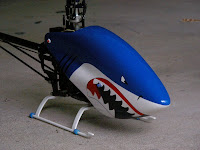
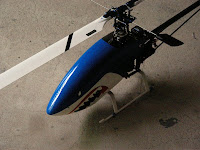


Spec
- CCPM SERVO SANWA SDX762
- TAIL SERVO Futaba DS9257
- GYRO Fuataba 401
- ESC Jeti Spin 55
- KONTRONIK KORA15-16 690Kv @ 19T
- Futaba 608 2.4G
- MAIN BLADE Align CF425mm
- TAIL BLADE 3DX500 68mm
- Collective Pitch + / - 11 degree
- Cyclic Pitch 8 degree
- AUW under 1550g (3 Cell 2000-2200Mah 2 Packs + (Y Cable 17g))
Test
- NOR HOV MIN. 2400RPM, 16A
- IDEL 1 HOV AVG. 2600RPM, 19A, FULL THR 37.15A
- IDEL 2 HOV AVG. 2800RPM, 19A (@ FULL PITCH DROP 350RPM )
- MIN. VOLT 19.58V @ FULL THR
- MAX WATTS 730
- TEMPERATURE MOTOR 59C
ESC 54C without heatsink
BATT 50C

Test flight
Lepton EX + 425MAH
Align Trex450V2
Spec
- CCPM SERVO Hitec 5065MG
- TAIL SERVO Align 520
- GYRO Futaba 401
- ESC Phoenix-CC35
- BEC UBEC @ 6V
- MOTOR Zpower 3300Kv @ 14T
- Rx Spektrum AR6100e
- 3 cell 2200 Mah
- Collective Pitch + / - 12 degree
- Cyclic Pitch 8 degree
- AUW under 780g
ESC Castle Creation35A
Setting
- Cutoff Voltage
1. Auto-Lipo* / 9.0V Cytoff - Current Limiting
3. Normal* - Brake Type
5.Brake Disabled - Throttle Type
2. Fixed Throttle - Electronic Timing Advance
3. Standard Advance* - Low Voltage Cutoff Type
2. Soft Cutoff - Soft Start
2. Soft Cutoff - PWM Switching Rate
1. 13kHz*
TROUBLESHOOTING
Problem: The LED comes on when I go to full throttle.
Solution: 1. RESET ESC
- Enter Programming Mode1B. Connect battery power to the ESC . The ESC will beep its Initialization tones when first plugged in After 3 Seconds. The ESC will emit another short tone and the LED on the ESC should flash a short, single flash that repeats. If the ESC flashes continuously it is not seeing a full throttle position. Move your throttle trim to the position or increase your full throttle Endpoint or ATV on your TX.
- This is normal. The LED comes on when full throttle has been reached. If the unit is in Auto-Calibrating Throttle mode (program setting 4-1) then you may see full throttle LED indication before the stick is in the full up position. Simply continue moving the stick to full. The controller will detect the stick travel & adjust full throttle accordingly. ( Adjust TX ATV High end point will be solve )
Z-power 3800Kv & 4000Kv
Bearing size 0.1250 x 0.3125 x 0.1406 ( 1/8 X 5/16 X 9/64)
SR2-5ZZ (KLN)
15 12 2007 SW
Nov 2007
2007 Stanley Prison
訂閱:
意見 (Atom)
